Skip to content
Home » Educational content

Educational content

Removing Sequencing Issues from Construction

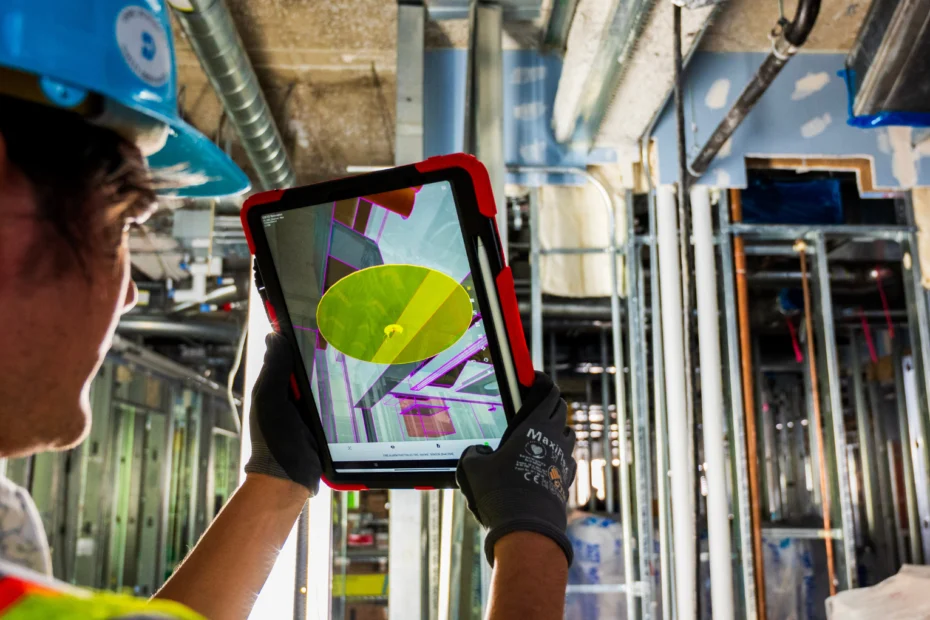
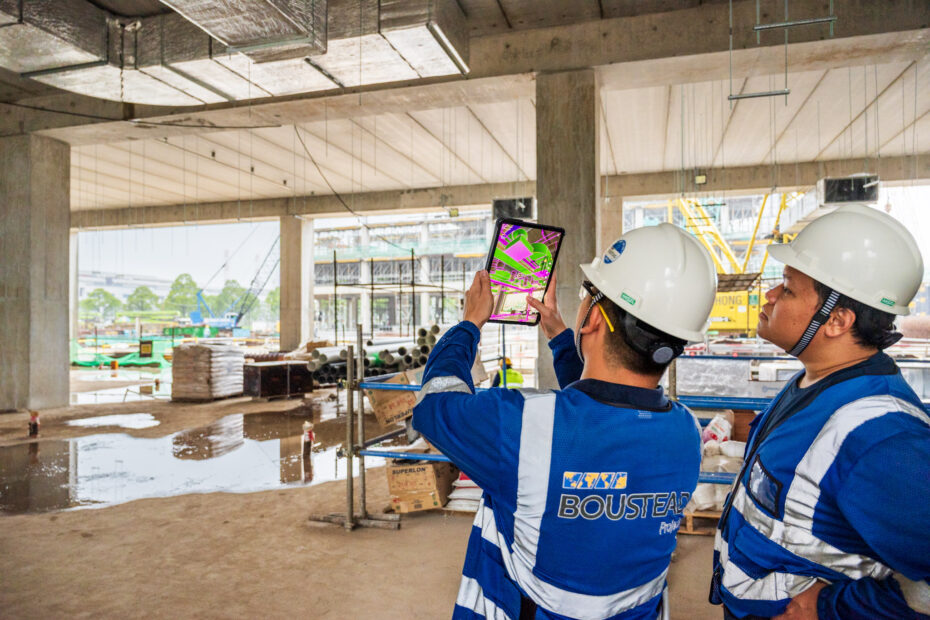
Sequencing issues are one of construction’s most expensive recurring problems — over 60% of coordination conflicts are MEP-related, and rework eats 5–15% of project cost. Scanning and 360° capture can only look backward; 4D BIM updates are too costly to keep current. Augmented Reality changes the model: trades meet in the active space, view the AR overlay of upcoming works, agree on priorities, and mark components complete as they go. GAMMA AR puts prospective sequencing in the hands of the people on the ground.

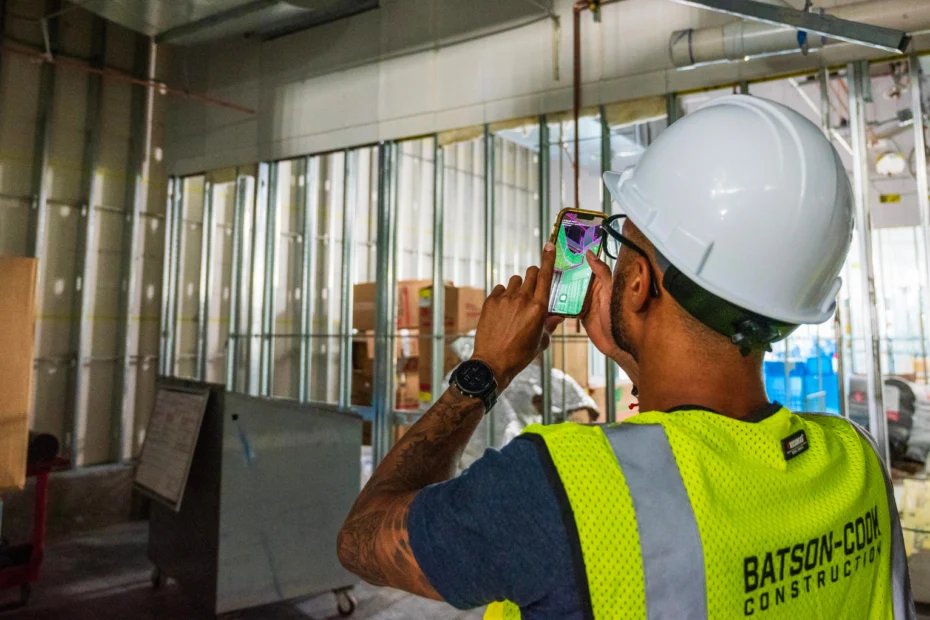
medfacilities using GAMMA AR efficiency on jobsite

How GAMMA AR Maximizes Jobsite Efficiency

The global construction industry has surged by 35.7% since 2017, but despite this growth, nearly 98% of projects still face cost overruns, highlighting the need for innovative solutions like augmented reality (AR) to address persistent inefficiencies. GAMMA AR is at the forefront of this shift, enhancing jobsite efficiency by improving visualization, alignment, and collaboration through its cutting-edge AR technology.

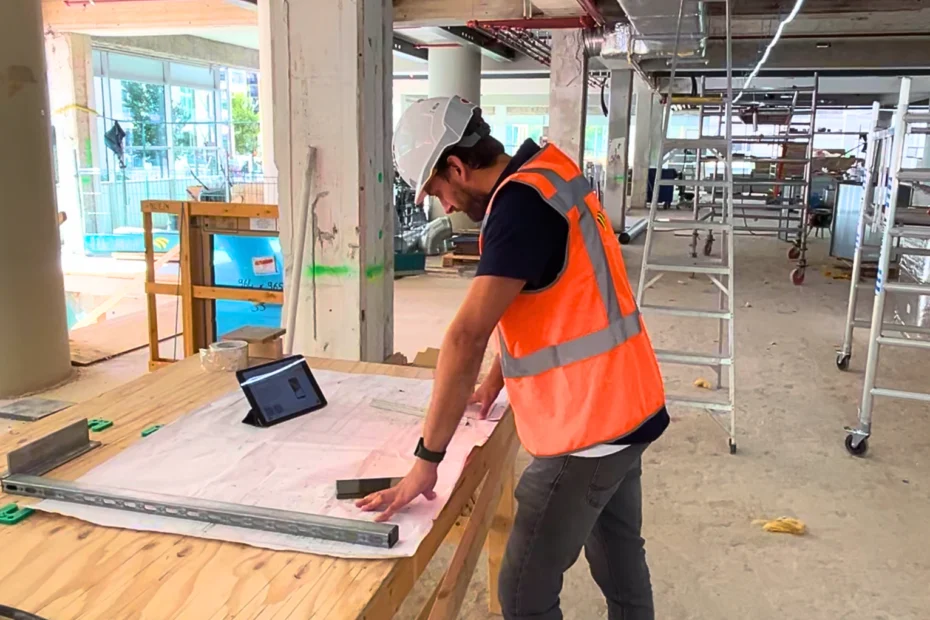
AR vs traditional tools in construction feature image

AR in Construction: How Does It Measure Up to Traditional Tools?

The construction industry has always been built on tried-and-true methods.
Out at the jobsite, we’ve been working with 2D drawings, manual measurements, and physical mockups for centuries now.
But these approaches, while certainly dependable, have some serious limitations.
Mistakes happen, inefficiencies crop up, and there’s often a wide enough gap between what the designer envisions and what actually gets built out at the site.

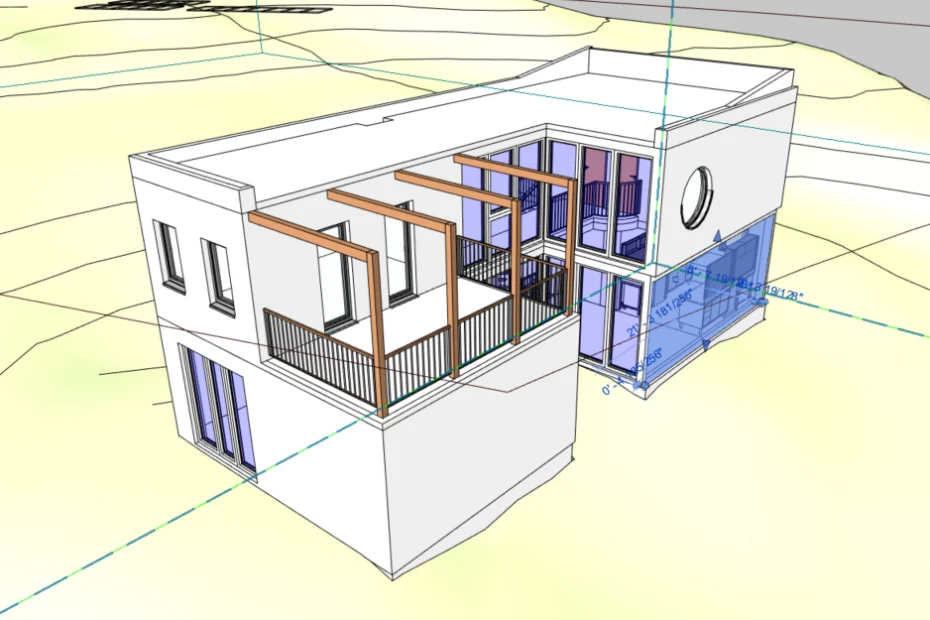
BIM implementation article by Anton Kaplun for GAMMA AR

BIM implementation across geographies: Europe vs the USA

The construction industry is one of the most important sectors of the economy in the USA and on the European continent with huge construction developments planned for 2023, such as skyscrapers, power plants, and hospitals, which cost several million or even several billion USD/Euros.

Flamanville 3 (a nuclear power plant in France -2,7 m €), Madison Square Garden Sphere (a sphere-shaped music and entertainment arena, USA – $2.8 Billion), and Crossrail (a railway project, UK – 23,3 Billion €) – each of these projects are extremely costly, and of course, design of these projects is based on BIM technology to reduce the cost of construction by identifying potential conflicts and errors early in the design process. Nowadays, no one will argue about the BIM implementation, but what was the way to get to this point, and do we have differences between BIM usage in Europe and US?